
When Herod saw that he had been tricked by the magi, he was infuriated, and he sent and killed all the children in and around Bethlehem who were two years old or under, according to the time that he had learned from the magi. (Matthew 2:16)
Trick question: How many kings appear in chapter 2 of Matthew’s gospel?
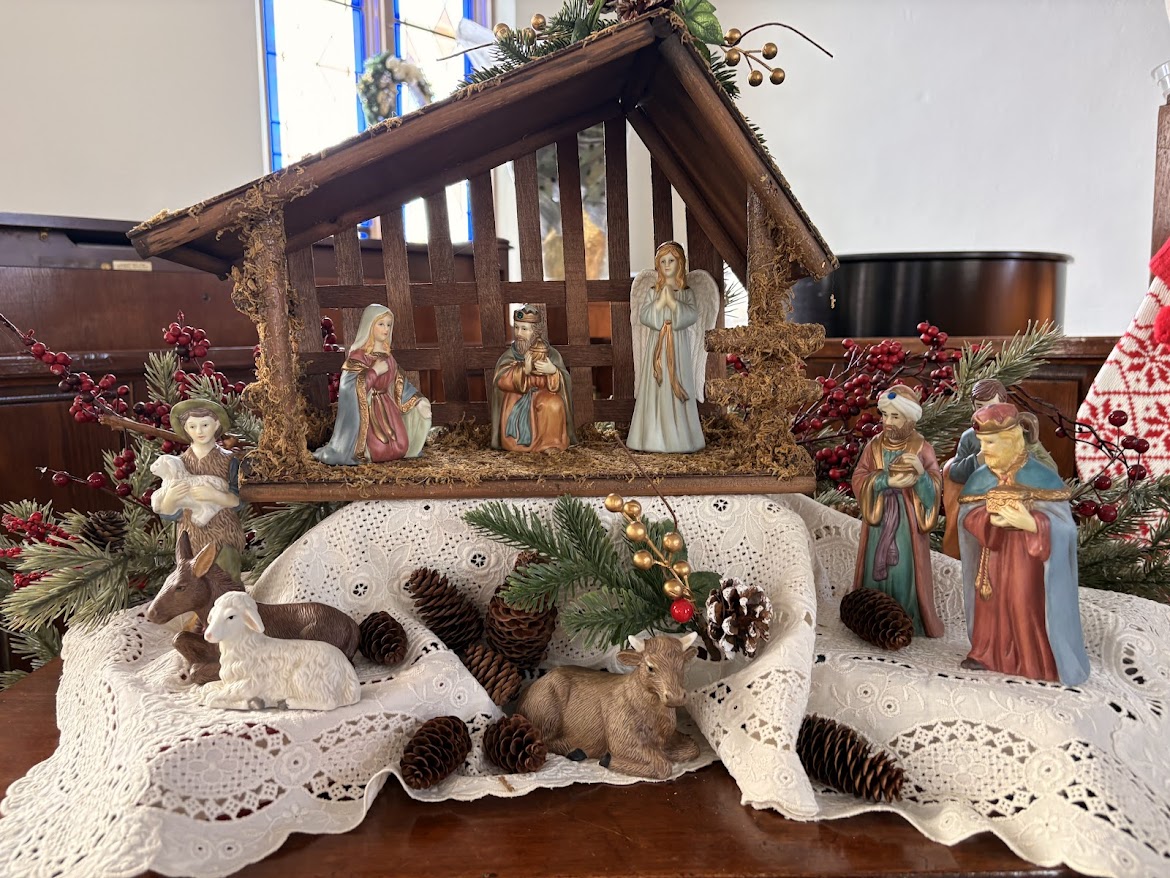
If you said three, that’s incorrect. While tradition says there were three wise men, as in the carol, “We Three Kings,” Matthew says there are three gifts but not how many visitors were carrying them.
If you said none or one, or we don’t know, that’s also incorrect. The visitors weren’t kings at all but most likely Zoroastrian astrologers from Persia, or modern-day Iran.
If you read the story closely you will note that Matthew 2 begins, “In the time of King Herod,” so that’s one, and that the magi from the east came looking for the “king of the Jews.” The answer is two kings appear in chapter 2 of Matthew’s gospel.
One king, Herod, represents Rome and the powers of this world. Herod was well known throughout the region for his ruthlessness. Anyone thought to be a threat to his power was quickly killed, including children and even one of his wives. He ruled by might and spent Rome’s money freely. He was the embodiment of a worldly king.
On the other hand, we have Jesus, “king of the Jews.” He is but a baby, tiny, helpless. Where does his power come from? From the same place every baby’s super-power comes from – love. Think about the power babies hold over us. They cry, we jump. We meet their every need. We protect them with our own lives. Why? Love.
We see Herod’s ruthless exercise of worldly power played out in what is often called, “The Slaughter of the Innocents.” Thankfully, there is no record of such an event ever taking place, but given Herod’s reputation Matthew felt fully justified telling the story anyway. Why?
To show the stark contrast between worldly power of violence and death versus God’s power of love.
Matthew’s story also draws to mind another slaughter of babies from long ago; Pharaoh’s killing of Hebrew children of slaves in Egypt in the book of Exodus. And just as Moses survived and brought his people to freedom, so, too, Jesus – the new Moses – will set the people free through the power of love.
As you sit among the wreckage of Christmas morning, with crumpled wrapping paper and empty boxes, remember the king that we, like the magi, have come to honor. The king we serve is laying nearby, in a manger in a stable, surrounded by God’s unconditional love.
Merry Christmas!